
Application of High-Precision X-ray Fluorescence Elemental Analyzer for the Determination of Trace Wear Metal Elements in Lubricating Oils
Geology & Mining
Application of High-Precision X-ray Fluorescence Elemental Analyzer for the Determination of Trace Wear Metal Elements in Lubricating Oils
This application note presents a solution for the analysis of trace wear metal elements such as potassium (K), calcium (Ca), titanium (Ti), chromium (Cr), manganese (Mn), iron (Fe), cobalt (Co), nickel (Ni), copper (Cu), and zinc (Zn) in lubricating oils. The applicable range of this solution is 0.1 ppm to 5%.
Application Overview
Wear metal content serves as a key indicator of equipment wear and overall health status. Through quantitative analysis of wear metal elements in lubricating oils—such as iron and copper—abnormal wear and potential failures can be identified in a timely manner. This enables appropriate maintenance actions to be taken, contributing to extended equipment service life, improved production efficiency, and reduced maintenance costs. The detection of wear metals in lubricating oils plays an important role in equipment health prediction, maintenance planning, and reliability enhancement, offering valuable support for industrial equipment maintenance and failure prevention.
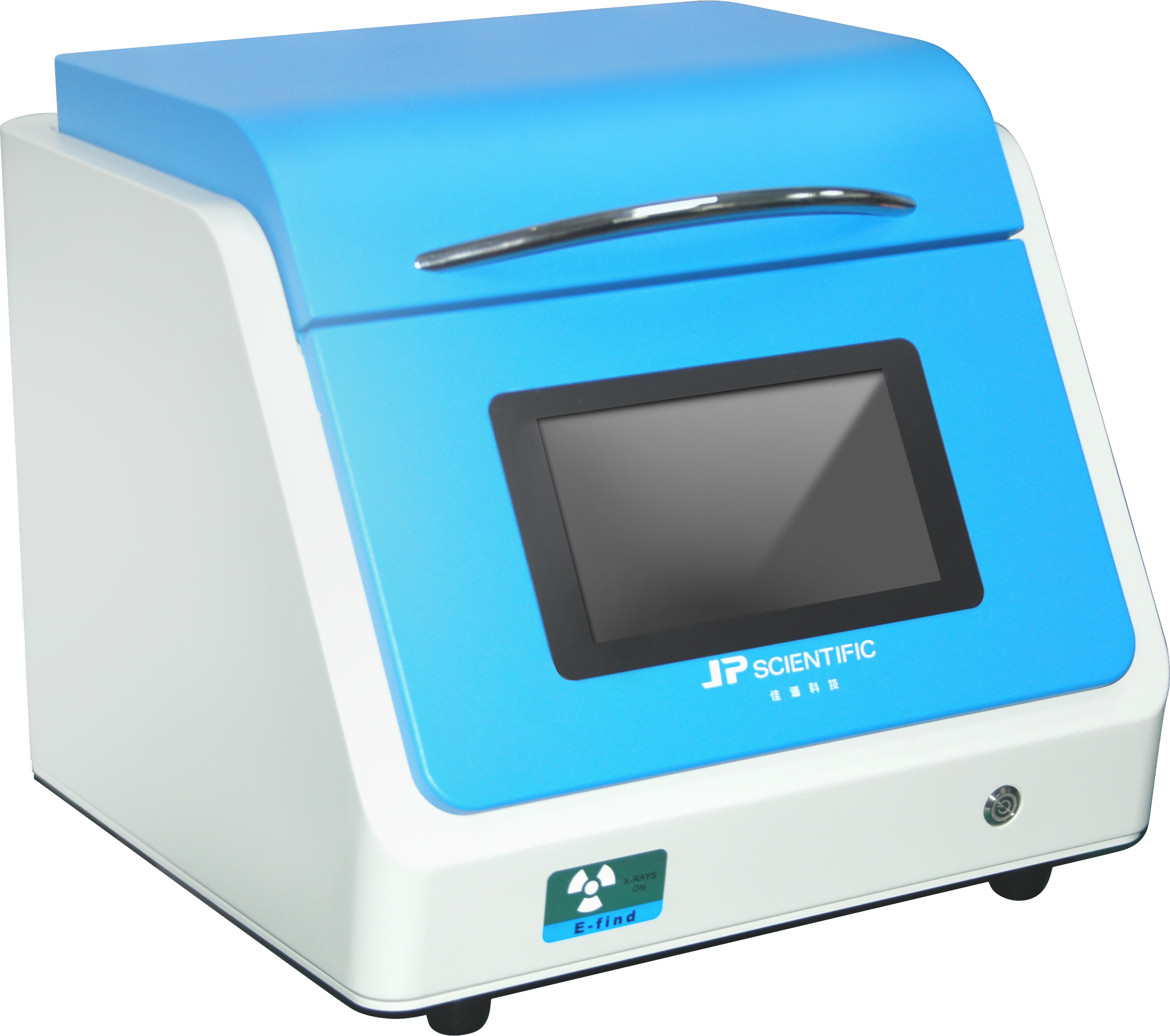
Our high‑precision X‑ray fluorescence elemental analyzer enables accurate measurement of trace wear metal contents in lubricating oils, covering elements including K, Ca, Ti, V, Cr, Mn, Fe, Co, Ni, Cu, and Zn.
Technical Principles
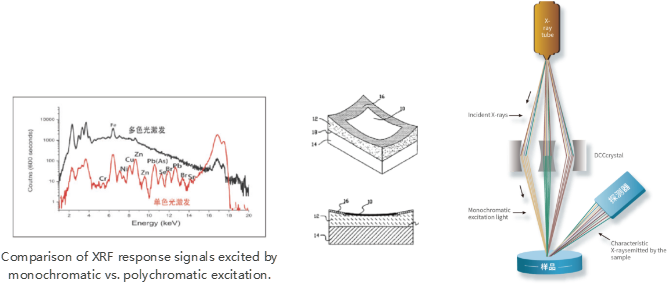
The High-Precision X-ray Fluorescence Elemental Analyzer (HPXRF) utilizes Monochromatic Focusing Doubly Curved Crystal (DCC) optics, which monochromatize polychromatic X-rays from the source and effectively focus them onto the sample. This greatly enhances the instrument's signal-to-noise ratio. Upon monochromatization, elements in the sample emit characteristic X-ray fluorescence signals. These signals are collected and processed by a high-resolution Silicon Drift Detector (SDD), and the software's Fundamental Parameter (FP) algorithm calculates the elemental content in the sample.
Sample Testing
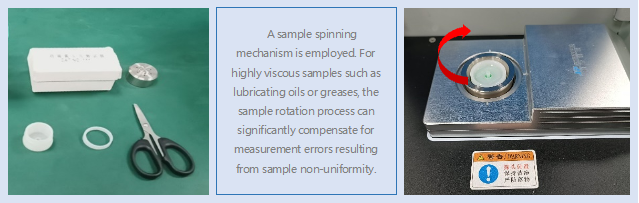
This solution utilizes a two-in-one plastic sample cup, which ensures easy operation and excellent repeatability.
Performance Data
Standard Curves
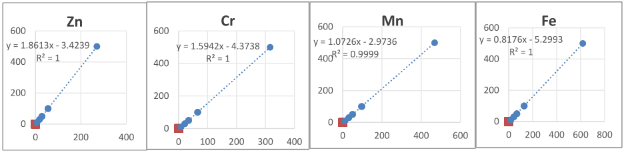
Commercial lubricating oil standard samples were utilized to precisely calibrate the Fundamental Parameter (FP) data model, yielding the following calibration curves. All R² values are above 0.995.

Repeatability
To verify the stability of the results, a 50 ppm sample was tested 11 times. The results are as follows:

Installation Requirements

Technical Specifications

Features and Advantages