
Industrial Elemental Analysis
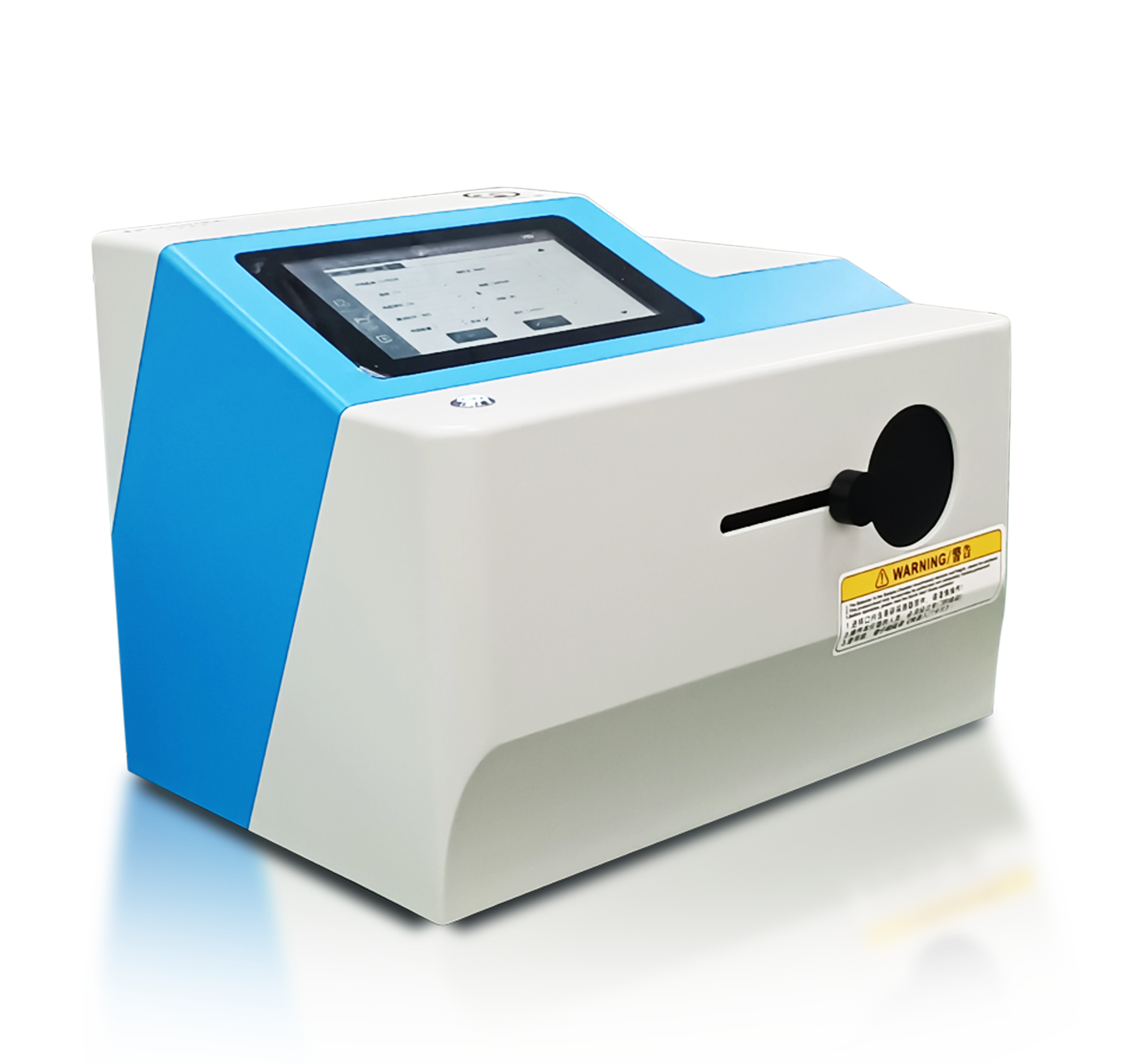
Application of High-Precision X-ray Fluorescence Elemental Analyzer for the Determination of Trace Sulfur, Chlorine, and Phosphorus in Biofuel Finished Products, Semi-Finished Products, and Raw Materials
This application note presents a solution for the rapid and precise analysis of sulfur, chlorine, and phosphorus in the range of 0.5 ppm to 500 ppm in biofuel finished products, semi-finished products, and raw materials (such as waste cooking oil), using the E-lite 500 High-Precision X-ray Fluorescence Elemental Analyzer.
Application Overview
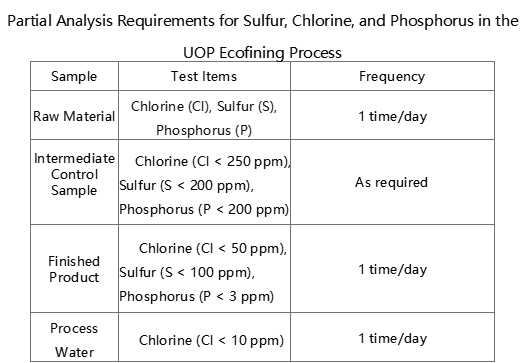
Biofuels are produced from biomass feedstocks such as palm oil, waste cooking oil, and algae through a series of processes including filtration, hydrotreating, isomerization, and distillation, yielding biodiesel and bio‑jet fuel. Quality control of process materials is relatively complex, as both raw materials and intermediate products require analysis for trace levels of chlorine, phosphorus, and sulfur according to process specifications.
Current analytical methods for chlorine include combustion ion chromatography or microcoulometry; phosphorus is typically determined by inductively coupled plasma optical emission spectrometry (ICP‑OES); and sulfur is analyzed by ICP‑OES or ultraviolet fluorescence.
This application utilizes a high‑precision X‑ray fluorescence elemental analyzer for the simultaneous determination of sulfur, phosphorus, and chlorine in raw materials, semi‑finished products, and final products. The system features straightforward operation, low detection limits, and reliable repeatability and reproducibility.
Reference Standards: ASTM D7039,ASTM D7536,ASTM D7220。
Technical Principles
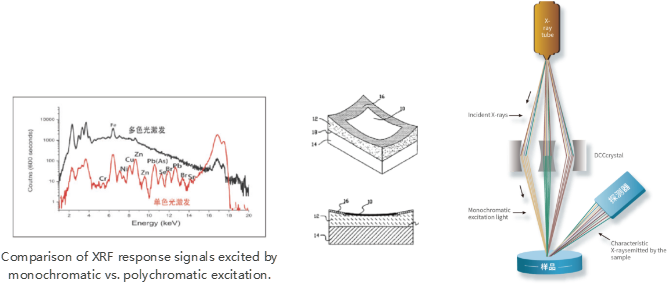
The High-Precision X-ray Fluorescence Elemental Analyzer (HPXRF) utilizes Monochromatic Focusing Doubly Curved Crystal (DCC) optics, which monochromatize polychromatic X-rays from the source and effectively focus them onto the sample. This greatly enhances the instrument's signal-to-noise ratio. Upon monochromatization, elements in the sample emit characteristic X-ray fluorescence signals. These signals are collected and processed by a high-resolution Silicon Drift Detector (SDD), and the software's Fundamental Parameter (FP) algorithm calculates the elemental content in the sample.
Sample Testing
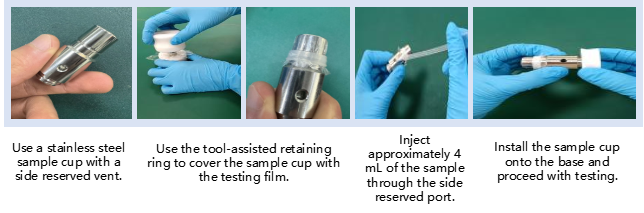
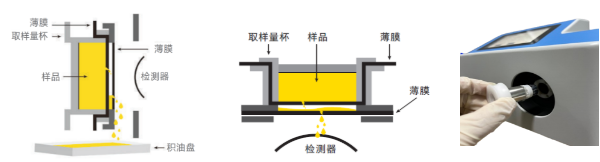
This solution utilizes a specially designed, easy-to-clean, low-background, and reusable stainless steel sample cup, along with supporting tooling. It features simple operation, low cost, and excellent test repeatability.
Side-Loading Design
The E-lite series features an innovative side sample introduction system that directs accidental sample spills into a drip tray, preventing leaked oil from contaminating valuable components.
Performance Data
Standard Curves
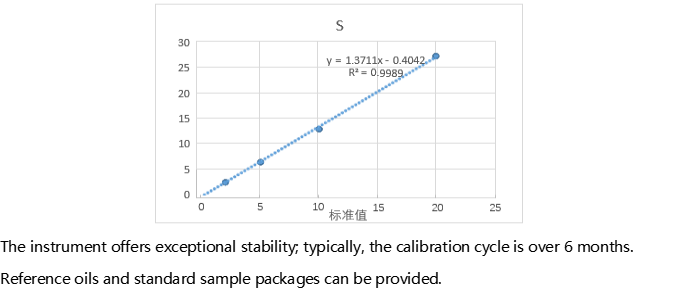
Utilizing the patented monochromatic Fundamental Parameter (FP) software and calibrated with standard samples, the linear correlation coefficients for 0–20 ppm Sulfur, Chlorine, and Phosphorus are 0.9989, 0.9973, and 0.996, respectively.
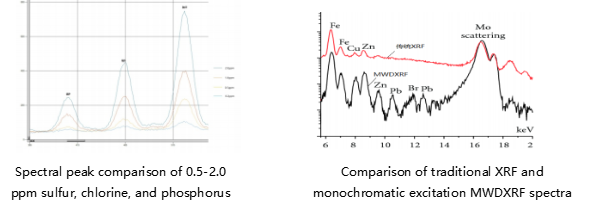
Compared to traditional XRF, monochromatic X-ray fluorescence excitation can improve the detection limit for elements in the sensitive region by more than 10 times.
Repeatability
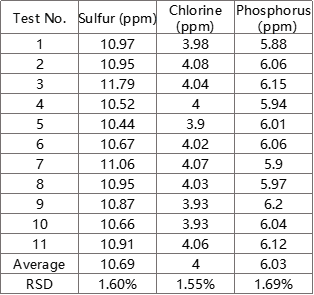
An actual bio-oil process sample was tested 11 consecutive times. The relative standard deviations (RSD) for sulfur, chlorine, and phosphorus were 1.60%, 1.55%, and 1.69%, respectively.
Installation Requirements

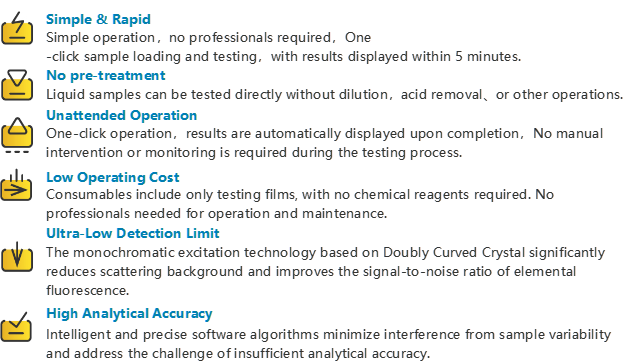
Features and Advantages